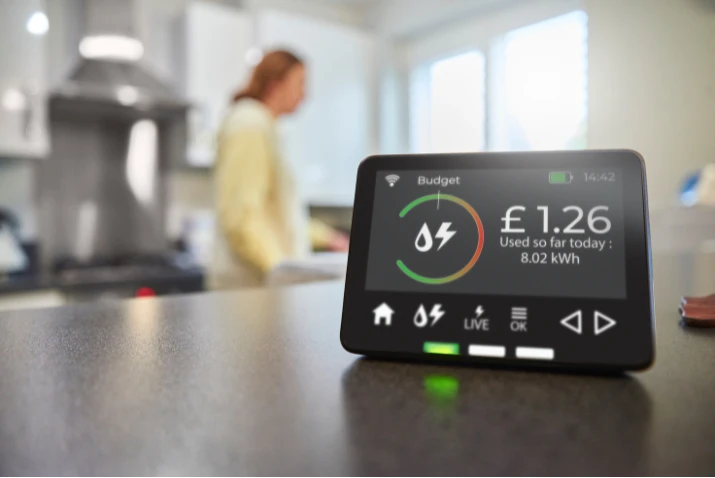
Although supermarkets and restaurants often do ‘meal deals’ and discounts, it’s generally cheaper to buy ingredients and cook your own food at home. But if you’re trying to be environmentally conscious and keep your energy bills down, what’s the ‘greenest’ way to prepare meals?
One-pot dishes
The fewer separate pans, pieces of equipment and processes you have, the less energy you’ll use cooking and washing up.
So, if you enjoy a roast dinner, rather than making all the elements separately, follow a recipe where you put all the veg in the same tray as the meat and roast it together. Another great way to enjoy meat and vegetables is to make a casserole, which can be put into a slow cooker. Although it takes several hours to cook, the low energy rating of slow cookers means they don’t consume a lot of electricity.
And if you want something nutritious that takes less time to prepare, a hearty soup or stir-fry only requires one pan and you can have a tasty meal ready in 20 to 30 minutes.
Use a microwave instead of an oven
Some microwaves are now very advanced and the old reputation that they simply ‘nuke’ your food is not so true these days. And the reality is that they’re much more energy efficient than an oven. They’re smaller, have a significantly lower wattage, don’t take time to warm up, and they’re only heating the food itself, not the surrounding air. That means they’re often the greenest option, particularly if you’re reheating food.
Induction hobs are more efficient than electric, gas and slow cookers
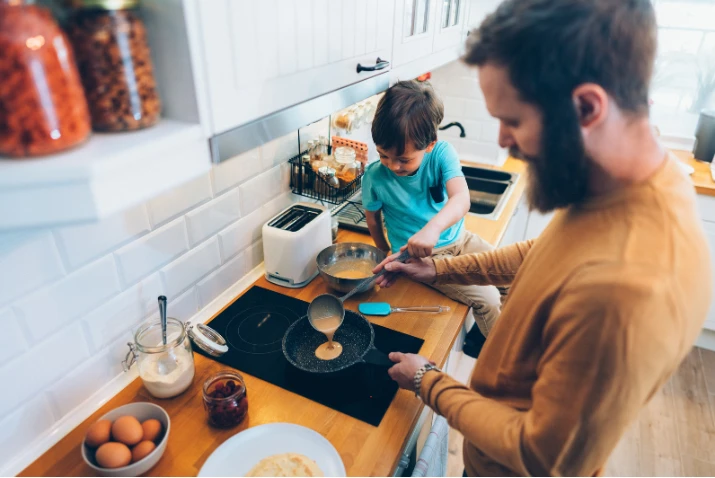
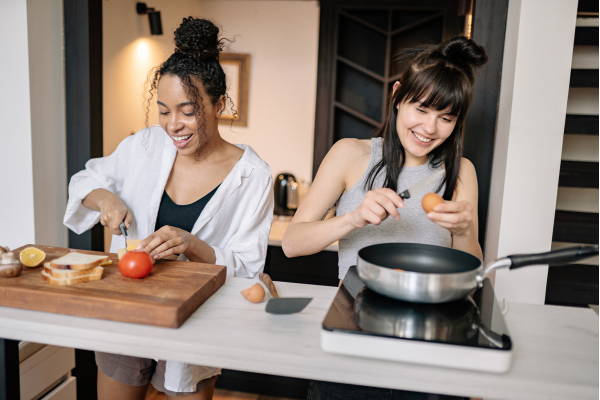
If you are fortunate enough to have an induction hob in your rental, these are one of the most energy efficient sources of heat for cooking.
According to Which?, an induction hob can boil a pan of water twice as quickly as a gas hob, on average. That demonstrates they consume much less energy to perform the same task. Other research has found that induction hobs can use up to 90% of the energy they consume for cooking, versus 75% for traditional electric hobs and just 40% for gas. So, although many people prefer to use gas, it’s worth knowing that the majority of the energy they burn is wasted.
A couple more tips:
Cook in bulk
If you’re making meals in the oven or on the hob, it takes very little extra energy to make a larger amount, and you can refrigerate or freeze in batches.
Bear in mind that freezers are most energy efficient when they’re about 80% full. That allows room for air to circulate but means there’s relatively little space for warmth to get in when you open the door. Cooling down warm air is where freezers expend the most energy, so to stay green, keep them fairly full.
Eat more raw and cold meals
If you can, you could save energy by having one or two days a week when you don’t cook. As a rule, when you eat vegetables raw, you’re getting the most nutritional value, and that doesn’t mean you have to live on lettuce and crudites! A few ideas:
• You can make cold soups in a blender, which will keep in the fridge for a couple of days.
• As an alternative to pasta, use a spiralizer to make courgetti ‘noodles’ that you can have with pesto or some tuna and seeds.
• Make Swedish-style open sandwiches with rye bread, cheese or fish and pickles.
• The next time you’re cooking meat, buy a bit extra that you can have cold the next day – maybe shredded in wraps with home-made salsa and guacamole, or on a hearty mixed salad, sprinkled with nuts and served with crusty bread.
Even if you’re not very adventurous or experienced in the kitchen, there are countless recipes and ideas online to suit every taste and preference. So before you automatically fire up the fryer or turn on the oven to cook in the same way you always have, think about whether there might be a more energy efficient way to prepare your meal!